Industries Revolutionised by Body-Worn Cameras and Why Your Organisation Should Adopt Them
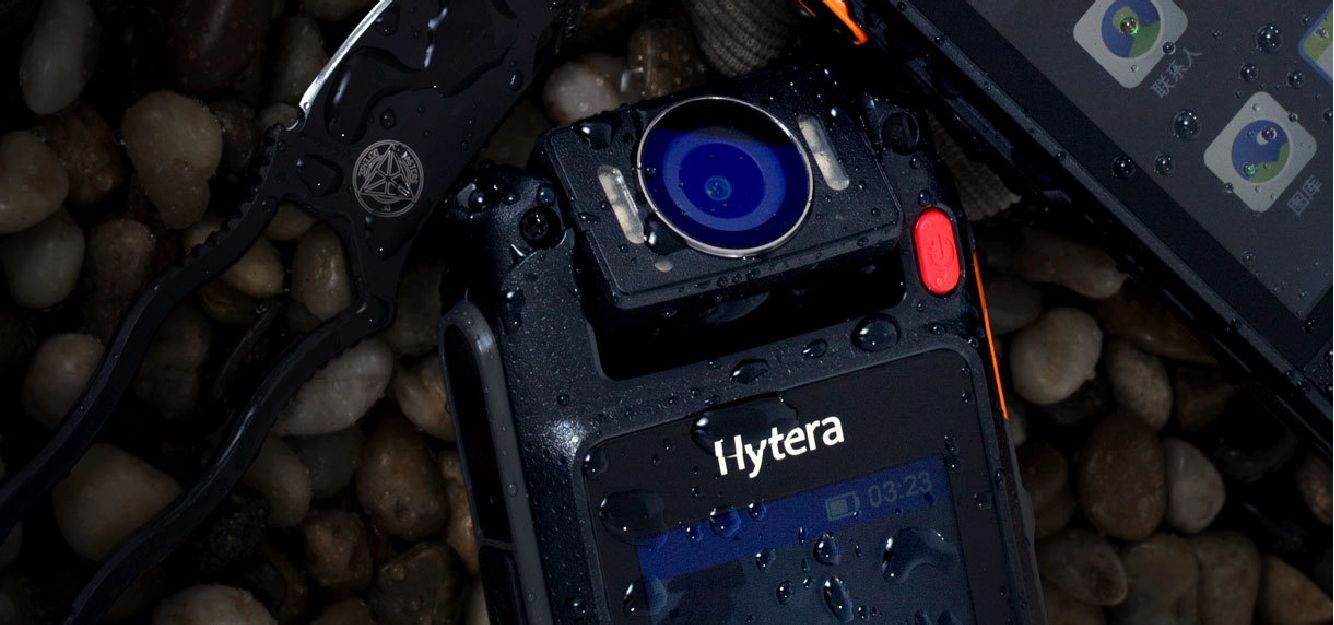
Body-worn cameras, or bodycams, have proven to be a game-changer across a range of industries. While originally seen as a law enforcement tool, the applications for these compact audio and video recording devices now stretch far beyond policing. They’ve become an invaluable resource for organisations looking to enhance accountability, improve employee safety, and promote transparency.
If your organisation is considering adopting body-worn cameras, this article outlines industries where they’ve created the most impact and the key benefits they can bring to your operations.
What Are Body-Worn Cameras?
Body-worn cameras are small recording devices that typically attach to a person’s uniform, chest, or shoulder. They create high-quality audio and video recordings of real-time events, offering an unparalleled level of accuracy and documentation. These devices are not just effective for capturing on-the-ground incidents but also help organisations streamline operations, train employees, and mitigate risks.
How Body Cameras Are Being Used Across Industries
When you think of body-worn cameras, your mind might initially go to police officers. But industries such as private security, retail, healthcare, education, and many others are seeing the benefits of these devices. Here’s how they are used in various sectors:
Law Enforcement
Bodycams have long been a staple for police officers, and their usefulness has been well-documented. These devices:
- Capture evidence in real-time, providing crucial footage for legal proceedings.
- Build trust within communities by promoting transparency in police interactions.
- Protect officers by deterring aggression and false complaints.
For example, the use of body-worn cameras is linked to a reduction in complaints against police officers, as interactions become fairer and more transparent.
Private Security
The private security sector has also embraced body-worn cameras for their ability to:
- Monitor and record suspicious behaviour.
- Safeguard staff against physical confrontations or false accusations.
- Ensure that security personnel follow best practices.
This combination of deterrent and documentation makes bodycams an invaluable tool for the industry.
Retail
Retailers are increasingly adopting body-worn cameras to prevent theft and resolve disputes. Here’s how they help:
- Deterring shoplifting by monitoring high-risk areas.
- Mitigating escalation during customer disputes.
- Providing visual evidence for incidents, which can be invaluable for insurance claims or legal actions.
Healthcare
The healthcare industry uses body-worn cameras in high-risk environments, such as emergency rooms, for the following:
- Protecting staff from aggressive patients or visitors.
- Ensuring compliance with industry regulations.
- Creating training material based on real-life scenarios for medical staff.
For instance, paramedics often operate in unpredictable environments. A bodycam offers security and accountability when responding to emergencies.
Education
The education sector has also recognised the value of body-worn cameras. They are increasingly used in schools and campuses to:
- Monitor and de-escalate conflicts between students.
- Ensure the safety of teachers and staff.
- Reduce bullying and violence by encouraging accountability.
Beyond security, bodycams are also used to improve teaching techniques and ensure adherence to policies.
Other Industries
Other sectors benefiting from body-worn cameras include:
- Transportation and logistics to monitor deliveries and ensure safety.
- Hospitality for managing difficult customers or high-risk events.
- Construction to ensure adherence to health and safety protocols.
Key Benefits of Adopting Body-Worn Cameras
Body-worn cameras aren’t just for safety and accountability. Here’s a closer look at the core benefits they bring:
1. Enhanced Transparency
Bodycams record interactions as they happen, leaving no room for subjective interpretations. This transparency can build trust between organisations and their stakeholders.
2. Employee Protection
Employees often operate in high-risk environments, such as retail stores or emergency rooms. Body-worn cameras act as a deterrent to inappropriate behaviour, protecting employees from verbal and physical abuse, and shielding them from false claims.
3. Incident Deterrence
The presence of a bodycam often prevents incidents from escalating. For example, potential offenders are less likely to act aggressively if they know they’re being recorded.
4. Evidence Collection
From providing clear footage for legal disputes to documenting incidents for insurance claims, the real-time recordings offered by bodycams hold immense value.
5. Improved Training and Feedback
The recorded footage can serve as a practical training tool, allowing staff to learn from real-life scenarios and improve their skills.
6. Cost Effectiveness
While there’s an upfront investment in the devices, body-worn cameras save organisations money by reducing litigation risks, resolving disputes faster, and enhancing operational efficiency.
Real-World Examples of Body-Worn Camera Impact
Reducing Retail Theft
A prominent UK retailer implemented body-worn cameras for their store managers, which produced remarkable results. Within just six months, the retailer experienced a 25% drop in theft incidents. This initiative not only enhanced security but also empowered staff to manage challenging situations more effectively.
Read more here – Leading UK retailer reports a decrease in incidents with body cams
Safer Education Environments
A secondary school in the UK took a proactive stance against student misconduct by introducing body-worn cameras. The move led to a dramatic decrease in bullying cases, while also noticeably reducing the number of staff complaints. This innovative use of technology helped create a safer and more harmonious learning environment.
Read more here – Motorola Solutions launches body cameras to improve safety in schools
Improved Healthcare Compliance
At Royal Free Hospital in London, emergency department staff began using body-worn cameras to combat workplace aggression. The results were significant, with a 30% reduction in violent incidents against medical workers. This measure not only improved staff safety but also supported a more respectful and secure care environment.
Read more here – Royal Free equips nurses with body cams to tackle violence
Is Your Organisation Ready for Body-Worn Cameras?
Implementing body-worn cameras is a step toward creating a safer and more accountable organisation. However, before taking the plunge, consider the following:
- Understand your needs. Evaluate how body-worn cameras would directly address the challenges in your organisation.
- Choose the right features. Prioritise features like high-definition recording, long battery life, or secure storage depending on your specific use case.
- Create a clear policy. Establish how the cameras will be used and ensure compliance with data privacy regulations.
Transforming Organisational Safety and Accountability
Body-worn cameras are no longer limited to law enforcement. Industries ranging from retail and healthcare to education and private security are realising their potential. By enhancing transparency, protecting employees, and providing clear accountability, these devices are revolutionising workplace safety and operations.
If you’d like to explore the possibilities of body-worn cameras for your organisation, GDS Radios offers a wide range of cutting-edge solutions tailored to your industry. Our team of experts is here to guide you every step of the way. Get in touch today to find out more.